
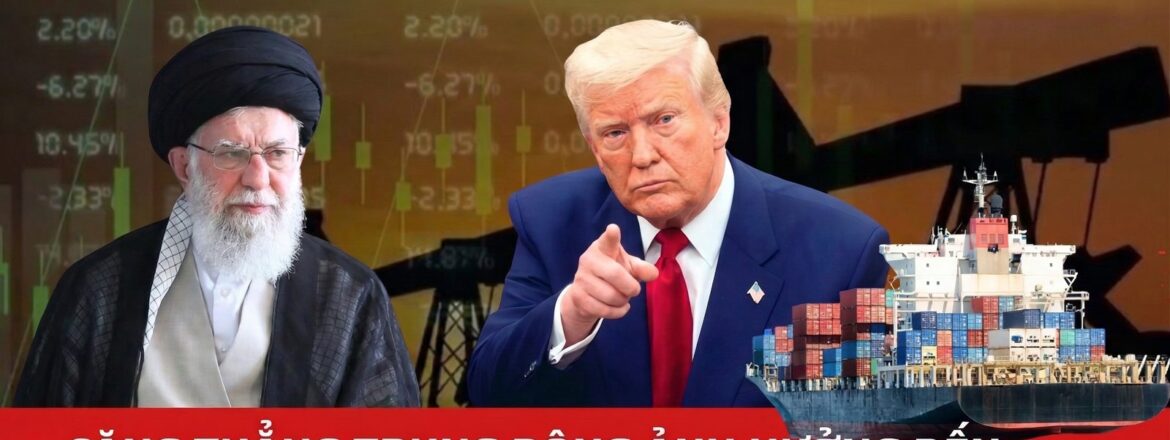
Geopolitical tensions in the Middle East are disrupting many international shipping routes. What should logistics businesses do in 2026 to adapt?
In 2026, global shipping and logistics continue to face a lot of volatility because of a complex geopolitical situation. In particular, tensions in the Middle East have directly affected ocean and air freight routes, pushing up costs and stretching international delivery times.
These changes are forcing importers, exporters and logistics providers to adjust their shipping strategies quickly to keep their supply chains running.
International shipping routes are changing
The Middle East sits on several of the world’s most important shipping routes. When security becomes unstable, many carriers have to reroute to keep their vessels and cargo safe.
Some container services now sail around Africa instead of taking the traditional routes. This has direct consequences:
- Transit time: An extra 10–15 days.
- Cost: Significantly higher fuel costs because of the longer distance.
- Schedules: Constant schedule changes, which make warehouse planning difficult.
This disruption is not a local problem. It directly affects importers and exporters all over the world.
Shipping costs are rising sharply
On top of rerouting, many carriers have had to introduce extra surcharges to cover the added risk. The charges rising fastest include:
- War risk surcharges.
- Bunker adjustment factor (BAF) fuel surcharges.
- Maritime security surcharges.
Added together, these charges can push container rates well above the levels seen in more stable periods.
What should businesses prepare for?
With such an unpredictable logistics market in 2026, businesses need to take a more proactive approach to managing their supply chains. Recommended strategies include:
- Plan early: Book space and plan shipments earlier than you used to.
- Optimise inventory: Keep a reasonable level of stock so supply doesn’t break down when vessels arrive late.
- Diversify partners: Work with several logistics partners so you have backup options for routes and pricing.
- Stay informed: Keep a close eye on the geopolitical situation and on changes in the international shipping market.
Conclusion
International shipping is expected to remain challenging throughout 2026. Choosing a reliable logistics partner with experience handling crises is key to keeping your supply chain efficient and your costs under control.
Looking for the best shipping solution? Contact Soleil Transportation today for advice on the most suitable and cost-effective route for your business.